 Image 1 of 1
1. Hidden Structural Issues
Crawlspaces often reveal what’s happening beneath the surface of your home. Rotting joists, sagging beams, or damaged subflooring can all begin down below, where moisture and pests tend to gather first. Catching these issues early prevents costly structural repairs later.
2. Moisture and Mold Detection
Crawlspaces are prone to high humidity and water intrusion. Without proper ventilation or drainage, this moisture can lead to mold growth, wood rot, and even poor indoor air quality that affects the rest of the home.
3. Pest and Rodent Activity
Termites, rodents, and other pests love dark, undisturbed crawlspaces. A thorough inspection can spot infestation signs, entry points, and damage before they spread to other areas.
4. Plumbing and Utility Leaks
Water lines, drainpipes, and HVAC ducts often run through crawlspaces. Inspections help identify leaks, insulation issues, and inefficient or unsafe installations that may otherwise go unnoticed.
5. Energy Efficiency and Air Quality
A poorly sealed or insulated crawlspace can cause drafts, uneven heating and cooling, and higher energy bills. Checking insulation, vapor barriers, and ventilation helps ensure the home performs efficiently and safely.
Bottom line:
A crawlspace inspection gives you a clearer picture of your home’s true condition from the ground up. It’s not just about what’s visible — it’s about uncovering the issues you can’t see before they become major problems.
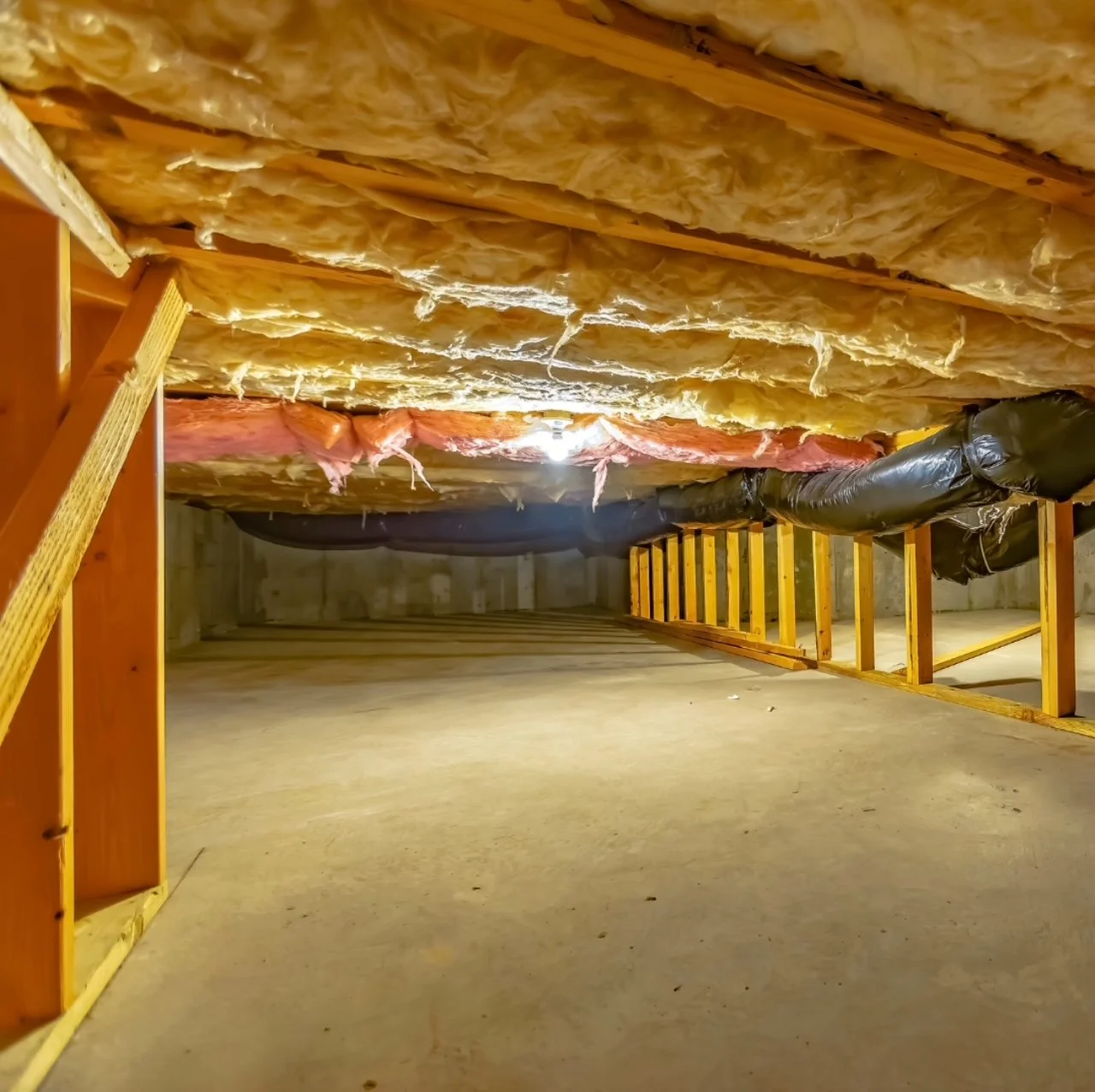
This inspection consists of the foundation, understructure framing and visible system components( ducting, plumbing, vapor barrier)
1. Hidden Structural Issues
Crawlspaces often reveal what’s happening beneath the surface of your home. Rotting joists, sagging beams, or damaged subflooring can all begin down below, where moisture and pests tend to gather first. Catching these issues early prevents costly structural repairs later.
2. Moisture and Mold Detection
Crawlspaces are prone to high humidity and water intrusion. Without proper ventilation or drainage, this moisture can lead to mold growth, wood rot, and even poor indoor air quality that affects the rest of the home.
3. Pest and Rodent Activity
Termites, rodents, and other pests love dark, undisturbed crawlspaces. A thorough inspection can spot infestation signs, entry points, and damage before they spread to other areas.
4. Plumbing and Utility Leaks
Water lines, drainpipes, and HVAC ducts often run through crawlspaces. Inspections help identify leaks, insulation issues, and inefficient or unsafe installations that may otherwise go unnoticed.
5. Energy Efficiency and Air Quality
A poorly sealed or insulated crawlspace can cause drafts, uneven heating and cooling, and higher energy bills. Checking insulation, vapor barriers, and ventilation helps ensure the home performs efficiently and safely.
Bottom line:
A crawlspace inspection gives you a clearer picture of your home’s true condition from the ground up. It’s not just about what’s visible — it’s about uncovering the issues you can’t see before they become major problems.
This inspection consists of the foundation, understructure framing and visible system components( ducting, plumbing, vapor barrier)